
Always-online requirements and kill switches
The game needs the company's servers to work, so it can be switched off.
Caution · Built to push spending
A game that needs the publisher's servers to run can stop working for good, and take your purchase with it.
What it does to the fun
A dropout or a busy server can stop a single-player game mid-level, even though nobody else is in it. Long car trips, patchy country internet and server outages all become reasons you can't play something you've paid for. Behind it sits a bigger worry: when the company decides the servers aren't worth running, years of saves and unlocks can go dark at once. A game that runs offline just works.
What you're actually buying
Access that lasts only as long as the servers do. A single-player game gated behind an online check, or a live-service game (one run as an ongoing online service) that vanishes when it fails to earn.
How it works
Copy protection (also called DRM) began as a manual or a cardboard wheel; by 2004 it was online activation. Half-Life 2 required buyers of the boxed game to create a Steam account and activate online before they could play a single-player game, which triggered a major backlash at launch. The used-game grievance seeded always-online DRM as publishers sought to claw back lost revenue. Live-service games without enough spenders have no slow decline, just an off switch: Concord was pulled 14 days after launch and refunded. When a platform closes, so does the library: Stadia, then The Crew.
When it's fine
When online features are optional, the game works offline, and there is a stated end-of-life plan.
Where it came from
The manual as a lock (Monkey Island's Dial-A-Pirate wheel, 1990) foreshadowed every DRM scheme. Half-Life 2 (16 November 2004) forced players onto Steam just to install a single-player game. Disc-era resale grievances seeded always-online DRM. Concord launched on 23 August 2024 and was pulled on 6 September, with Sony refunding every copy; Anthem also found there is no slow decline. Google refunded every Stadia purchase when it closed on 18 January 2023. Ubisoft shut The Crew's servers on 31 March 2024 and revoked licences.
Rules and regulation
A lawsuit over The Crew was filed in California in November 2024 (amended March 2025). The EU 'Stop Destroying Videogames' initiative gathered 1,294,188 verified signatures, and on 16 June 2026 the European Commission said it 'cannot propose a legal obligation' to keep discontinued games playable, but committed to industry talks on a code of conduct by the end of 2026.
Historical prices and revenues are in US dollars at the time unless marked A$.
By the numbers
Half-Life 2 (16 November 2004) required buyers of the retail boxed copy to create a Steam account and activate online before they could play, triggering a major backlash.
Concord launched on 23 August 2024 and was pulled offline 14 days later, on 6 September, with Sony refunding every copy sold.
Ubisoft shut down The Crew's servers on 31 March 2024, then revoked players' licences.
The EU 'Stop Destroying Videogames' initiative had 1,294,188 verified signatures; on 16 June 2026 the European Commission said it 'cannot propose a legal obligation' to keep games playable.
Games that use it


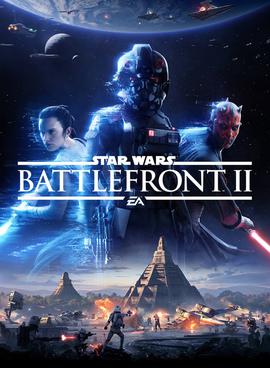


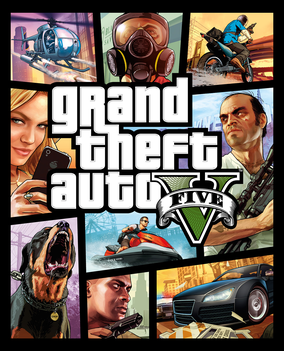




Used to, but dropped it

Find games without always-online requirements and kill switches
Related badges
Covered in Video Games & Money: Ep 15 · Digital dist, Ep 12 · Disc era, Ep 29 · Live service, Ep 34 · Cloud, Ep 38 · Empty cartridge, Ep 6 · Early pc.